DOG TRAINER NETWORK · EST. 1999
Professional Dog Trainer Course
Understand behaviour. Practise with purpose. Develop your skills.
The DTN professional dog trainer course connects canine knowledge with practical training. You learn to observe dogs, assess training needs, select suitable exercises, and communicate your plan to owners.
Guided theory and practical work help you build both understanding and application. Assignments, knowledge checks, and instructor review support your progression.
What you’ll learn
Canine ethology and behaviour
Explore domestication, canine communication, development, and the differences between natural tendencies and learned behaviour. Study dogs in context, considering motivation, emotional responses, experience, and environment.
Behavioural evaluation and analysis
Learn to gather relevant history, describe what you observe, identify patterns, and develop practical goals. Build a more systematic approach to assessment and progress tracking.
Nutrition, health, and breed awareness
Study how physical condition, age, care, and breed history can influence training. Learn to consider the individual dog and recognize when a concern requires veterinary or specialist input.
Equipment and handling
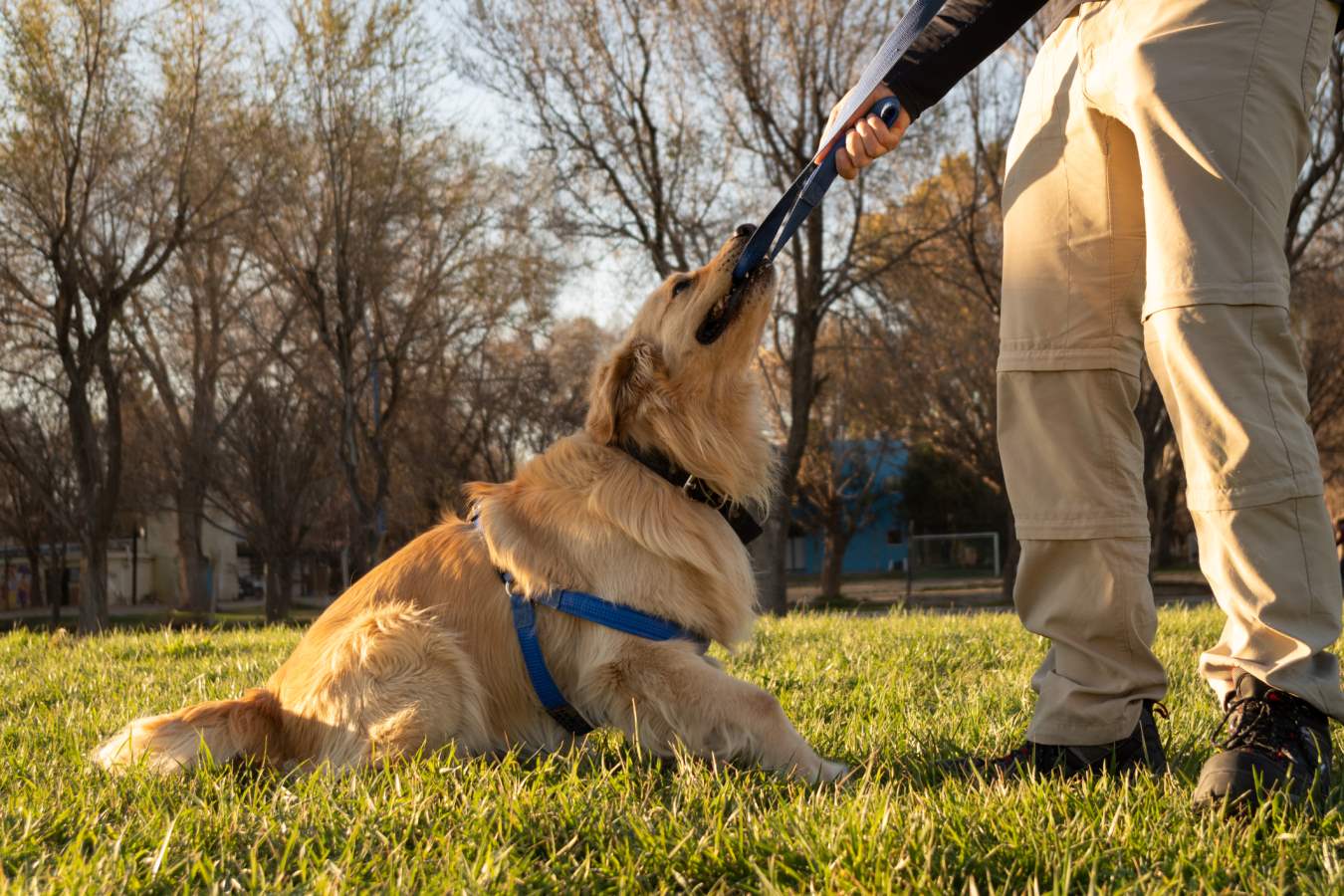
Explore the purpose, fit, introduction, and limitations of common training equipment. Practise clear leash communication and pressure and release, with attention to timing, suitability, and the dog’s response.
Obedience and training systems
Develop marker systems, reward delivery, shaping, and core obedience skills: heel, sit, down, place, stay, and recall. Learn how to introduce distractions progressively and troubleshoot unclear responses.
Fitness, engagement, and purposeful play
Build motivation and focus through structured interaction. Explore body awareness, conditioning principles, and suitable activities that connect the dog’s physical abilities with training goals.
Agility and drive sports
Study introductory obstacle work, movement, and structured games. Learn to channel motivation into purposeful activities while maintaining clear start, pause, and finish signals.
Fundamental scent work, detection, and tracking
Explore scent discrimination, search motivation, and tracking foundations. Learn the distinctions between introductory exercises and advanced operational work.
Optional protection specialization
Protection training is a separate optional pathway requiring program director approval and suitable prerequisites. Contact DTN to discuss eligibility and availability.
How you learn
Study: Work through written lessons and examples.
Observe: Analyse demonstrations and identify the details that affect a training decision.
Apply: Complete assignments and practical exercises appropriate to your stage of learning.
Review: Use instructor feedback and knowledge checks to identify what needs further practice.
Discuss remote theory options and practical arrangements with DTN for your location. Your schedule, delivery format, requirements, and fees are explained before enrollment.
Assessment and certification
Earning a DTN certificate requires successful completion of the required coursework and assessments, including practical evaluation. Instructor review is part of progression.
The certificate records successful completion of DTN’s training requirements. Ask about the assessment process and the scope of the credential before enrolling.
Find out whether DTN fits your goals
Tell us about your experience, the work you want to do, and where you’re based. We’ll discuss the course and the next steps with you.